
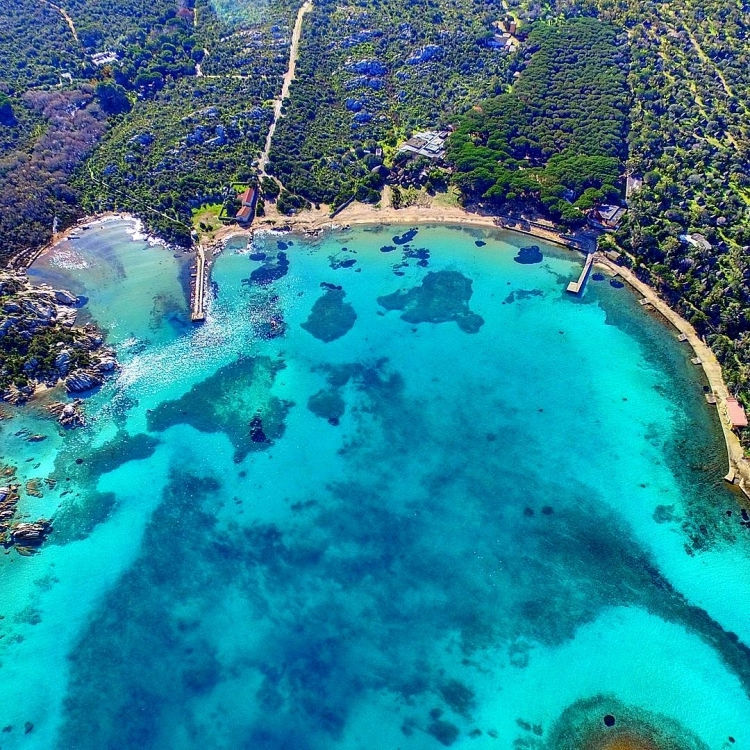
Nature and Biodiversity
The Maddalena Archipelago, located in the northern part of Sardinia, comprises over 60 islands and islets.
Established in 1994, this National Park covers some 20,000 hectares of sea and land, offering a remarkable blend of coastal and marine ecosystems.
Its unique environment is protected and is home to an incredible variety of endemic flora and fauna, making it a special place of recognised national importance.
The La Maddalena Archipelago National Park Furthermore, it is part of the Pelagos Marine Mammal Sanctuary, a cross-border marine protected area established in 1999.
This sanctuary is an important conservation area for marine mammals, such as dolphins, fin whales and sperm whales, and is shared between Italy, France and Monaco. The inclusion of the park within the Pelagos Marine Protected Area reflects a commitment to the conservation of marine biodiversity and provides yet another reason to visit this extraordinary natural area.
If you’re lucky on your boat trips, you might have the pleasure of encountering some magnificent bottlenose dolphins, which are common along the coast.
The biodiversity of the National Park
Flora: a wealth of endemic species
The vegetation in the area is dominated by Mediterranean scrub, a mosaic of myrtle, rockrose, juniper and other aromatic plants. These shrubs are perfectly suited to the coastal climate and provide an ideal habitat for many species.
It is important to preserve the local habitat and the seagrass beds on the seabed that extend right up to the shore to protect the beach; together with the dune ecosystems, they play a vital role for the coastline as they are essential for coastal conservation, providing a refuge for numerous sea turtles and many other local species.
Fauna: a sanctuary for rare species
You can see both sea turtles and tortoises, dolphins and various endemic species.
Local birds, such as the Corsican seagull and the great skua, find refuge amongst the cliffs.,
Furthermore, some of the islands are home to mammals and certain species of reptiles and amphibians, making the area a site of great scientific and cultural interest; over the years, the number of eco-tourists who visit the area responsibly has grown, taking with them nothing but the traces of their visit and nothing else.
How do we look after the National Park?
Environmental conservation and protection
The primary objective is to preserve the integrity of natural habitats and the species found there.
Every tour operator works to conserve and protect the local environment, safeguarding sensitive marine areas from potential damage.
Biodiversity monitoring and environmental education, aimed at raising awareness among visitors and schoolchildren visiting the area, provide opportunities for learning and conservation in a real-world, hands-on setting, leaving them with lasting memories and a wealth of new knowledge from a natural history and scientific perspective.
Environmental Education
The Park organises environmental education programmes for schools and tourists; the trails are signposted and efforts are made to promote responsible and active behaviour; plastic bags are not left behind, litter collection days are organised, and efforts are made to protect the area so that it remains intact and conducive to the repopulation of the species that inhabit it year-round and periodically nest in the area.
Visitors can learn more about the history and natural environment of this protected area at the Giuseppe Garibaldi Memorial and the Maritime Museum.
International partnerships
The Park works in partnership with institutions and organisations to improve the management of the marine and coastal environment and to be part of major conservation initiatives such as the Pelagos Sanctuary for the protection of marine mammals, ensuring that its extraordinary natural beauty is preserved for future generations, as set out in: the European Charter for Sustainable Tourism and the Natura 2000 Network, an organisation with which the Maddalena Park collaborates to protect habitats and species of conservation interest.
The main islands of the archipelago
If you’re ready and have everything you need for a trip along the coast of Sardinia, the Consorzio Meraviglie dell’Arcipelago will guide you in making the best choices to explore the heart of this wonderful archipelago. The list is long, so get ready to embrace the wonders you’ll encounter with a spirit of adventure.
There are plenty of coves waiting for you; we’d love to take you on an extraordinary journey that you’ll carry with you even after you return. All you need to bring is whatever you need to be comfortable; as the islands are protected areas, they don’t have facilities such as sun loungers, public toilets or bars, but if you’re a true adventurer, all you’ll need is a hat, sun cream, a towel and a packed lunch. Remember to bring water and sunglasses with you; the Consorzio delle Meraviglie dell’Arcipelago will take care of the rest.
La Maddalena
The main island, La Maddalena, is the beating heart of the archipelago.
The municipality of La Maddalena oversees most of the administrative and tourist activities. Here, visitors can explore the historic alleyways of the town centre.
Caprera
Famous for the Compendio Garibaldino, Caprera It is a nature reserve rich in woodland and rugged coastline. If you’re in the area, it’s almost a must-visit, especially if you love history and exploring the relics of the past; it’s also the perfect place for those who enjoy hiking and being surrounded by unspoilt nature.
Budelli
Budelli is famous for the Spiaggia Rosa, a natural wonder found nowhere else in the world. This beach is a protected area, and access is restricted to preserve its beauty.
Activities and trails in the Park
Hiking and trekking
The Meraviglie dell’Arcipelago Consortium offers routes to all the islands, as well as all the information you need to plan bespoke itineraries for unique, memorable experiences. The footpaths on Caprera and La Maddalena are ideal for exploring the Mediterranean scrub and enjoying stunning views.
Snorkelling and diving
The crystal-clear waters of the archipelago are a paradise for snorkelling and diving enthusiasts.
You can admire seagrass beds, corals and a variety of fish.
Unforgettable sunsets
You won’t want to miss the stunning sunsets over the sea, visible from the beautiful coves along the coast. Whether you’re a photography enthusiast, enjoy sharing moments with your friends on social media, or are looking for a romantic atmosphere, this place is perfect for daydreaming, The colours of the sunset range from orange to bright red, fading to violet as evening falls, offering you a unique sense of relaxation and well-being. If you’re looking for a special place, don’t miss the chance to immerse yourself in the wonders of the coast; you’ll be captivated and will certainly want to share your experience or relive it with your loved ones.
Frequently Asked Questions (FAQ)
1. How can you get to the La Maddalena Archipelago?
You can reach La Maddalena by ferry from Palau, with frequent services throughout the year. For further information, please contact the Motonave Petagus.
2. What are the rules for visiting the park?
Respect for the environment is essential.
It is forbidden to pick plants or disturb wildlife; this also includes feeding them without authorisation. Lighting fires and littering are strictly prohibited. Tourist activities must comply with the Park’s guidelines, which you will be asked to follow.
3. When is the best time to visit the archipelago?
Spring and early summer are the ideal times to visit the park, with pleasant temperatures and fewer tourists.
4. Can you visit all the islands?
Not all islands are open to visitors. Some, such as Budelli, have restrictions in place to protect their habitats.
5. What activities are recommended in the park?
Hiking, snorkelling, diving and cultural visits to museums are among the activities most popular with visitors.